Expert Insights: Adapting Your Homeowners Policy to Cover Wildfire Risks


Understanding the Growing Threat of Wildfires
In recent years, wildfires have become an increasingly common and devastating threat to homeowners across many regions. The changing climate has led to drier conditions, making it essential for homeowners to reassess their insurance policies. A standard homeowners policy may not fully cover the extensive damage caused by wildfires, leaving you vulnerable to significant financial loss.
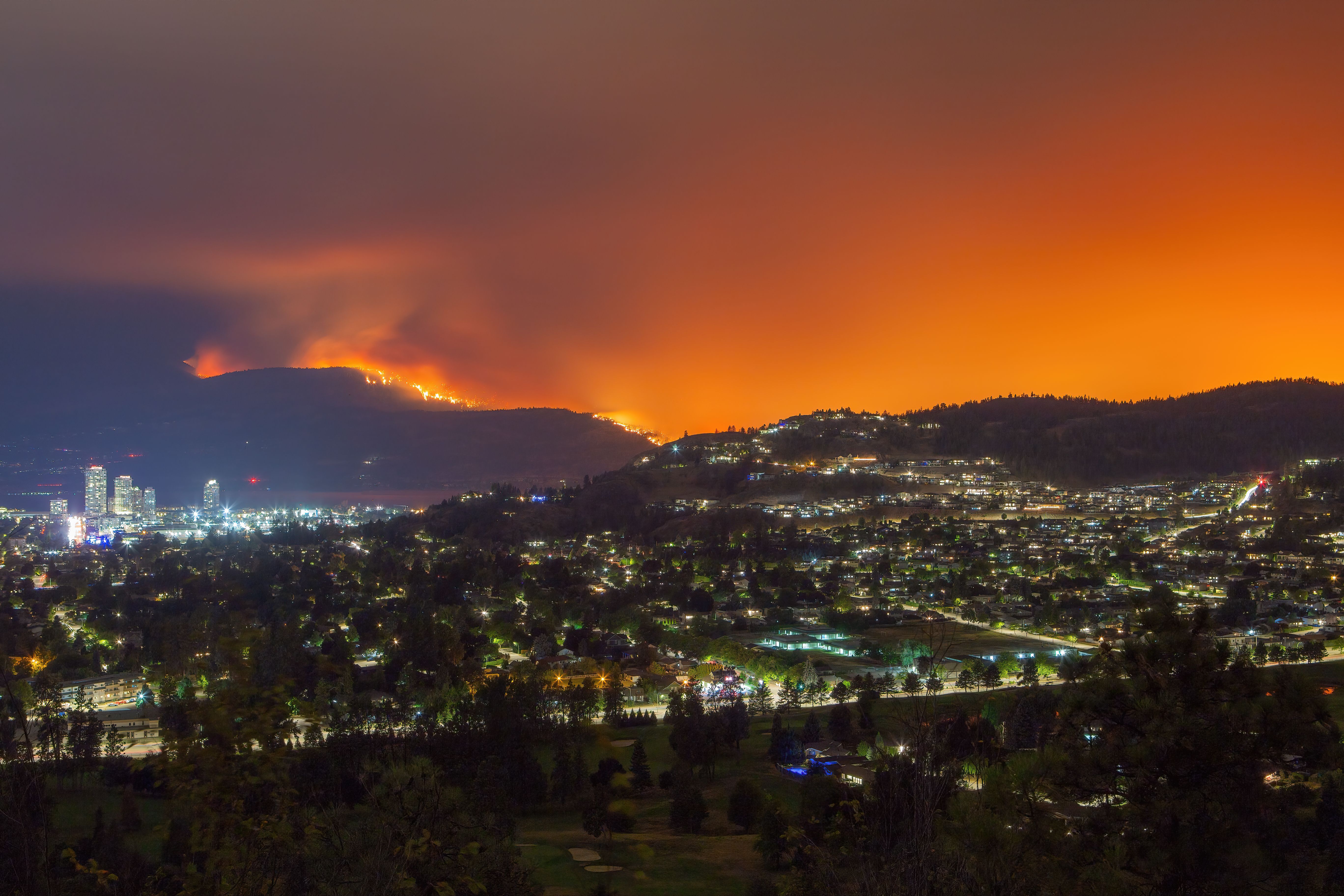
To safeguard your property and peace of mind, it's crucial to understand how to adapt your homeowners policy to effectively cover wildfire risks. This involves evaluating your current coverage, understanding the potential gaps, and taking proactive steps to enhance your policy.
Assessing Your Current Coverage
Start by reviewing your existing homeowners insurance policy. Pay close attention to coverage limits, exclusions, and the specific terms related to fire damage. Many standard policies provide some level of fire protection, but they may not account for the unique circumstances of wildfires. It’s important to know exactly what is covered and where your policy may fall short.
Consider the replacement cost of your home and belongings. Ensure that your policy reflects the current value, which may have increased due to market changes or home improvements. This ensures you’ll receive adequate compensation in the event of a total loss.
Identifying Potential Gaps
One common gap in coverage is the cost of rebuilding to current codes and standards. As building codes evolve, rebuilding after a wildfire may require compliance with new regulations, which can be costly. Ensure your policy includes building ordinance or law coverage to address this potential gap.

Another area to examine is coverage for additional living expenses (ALE). If a wildfire renders your home uninhabitable, ALE coverage can help pay for temporary housing and other living expenses. Make sure your policy includes sufficient ALE coverage to accommodate an extended displacement period.
Enhancing Your Policy
To enhance your homeowners policy, consider adding endorsements or riders specifically designed for wildfire risk. These add-ons can provide additional protection tailored to your needs. Speak with your insurance agent about options like increased dwelling coverage, expanded ALE, and debris removal coverage.
Additionally, some insurers offer discounts or incentives for taking preventive measures. Installing fire-resistant materials, creating defensible space around your property, and investing in home security systems can not only reduce your risk but also potentially lower your premiums.

Working with Insurance Professionals
Engaging with an experienced insurance professional can be invaluable. They can provide expert insights into the nuances of your policy and suggest adjustments that align with your specific risk profile. Regularly reviewing your policy with an agent ensures that your coverage evolves with your needs and external conditions.
Remember, the goal is to create a comprehensive safety net that protects your most significant investment—your home. By taking proactive steps now, you can mitigate the financial impact of wildfires and secure your peace of mind.